





The Architecture of Memory
01We keep saying memory is like a database. It is not. Memory is architecture — it is what a mind builds to stand on.
- #AI
- #Philosophy
- #Cognition
Open Source Studio
Engineer · Writer · Observer
Engineering and literature, grown side by side — local-first software, developer tools, and a slowly tended digital garden.
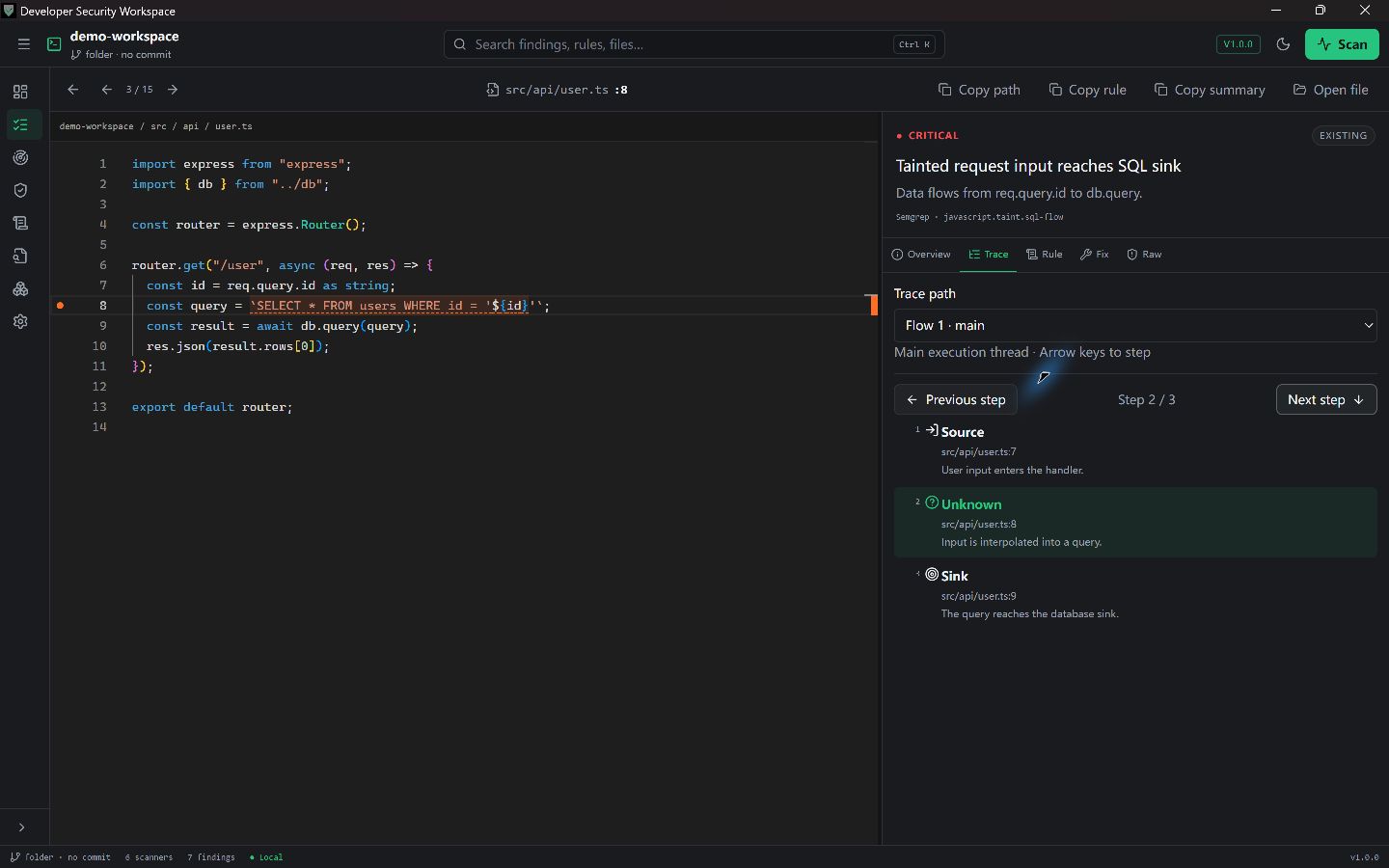
Local-first SARIF vulnerability explorer and finding debugger.

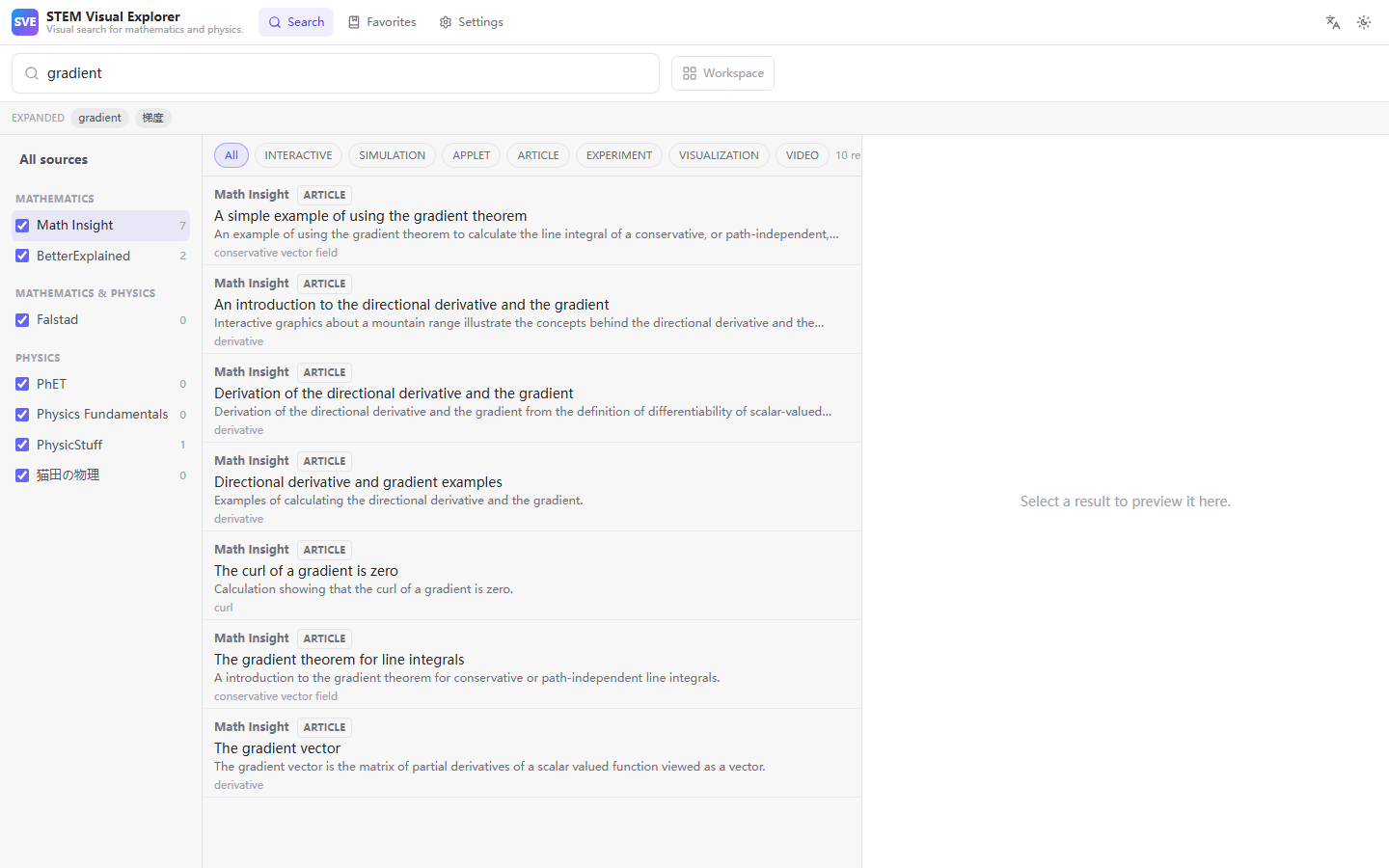
Millisecond, offline-first search over your own machine.
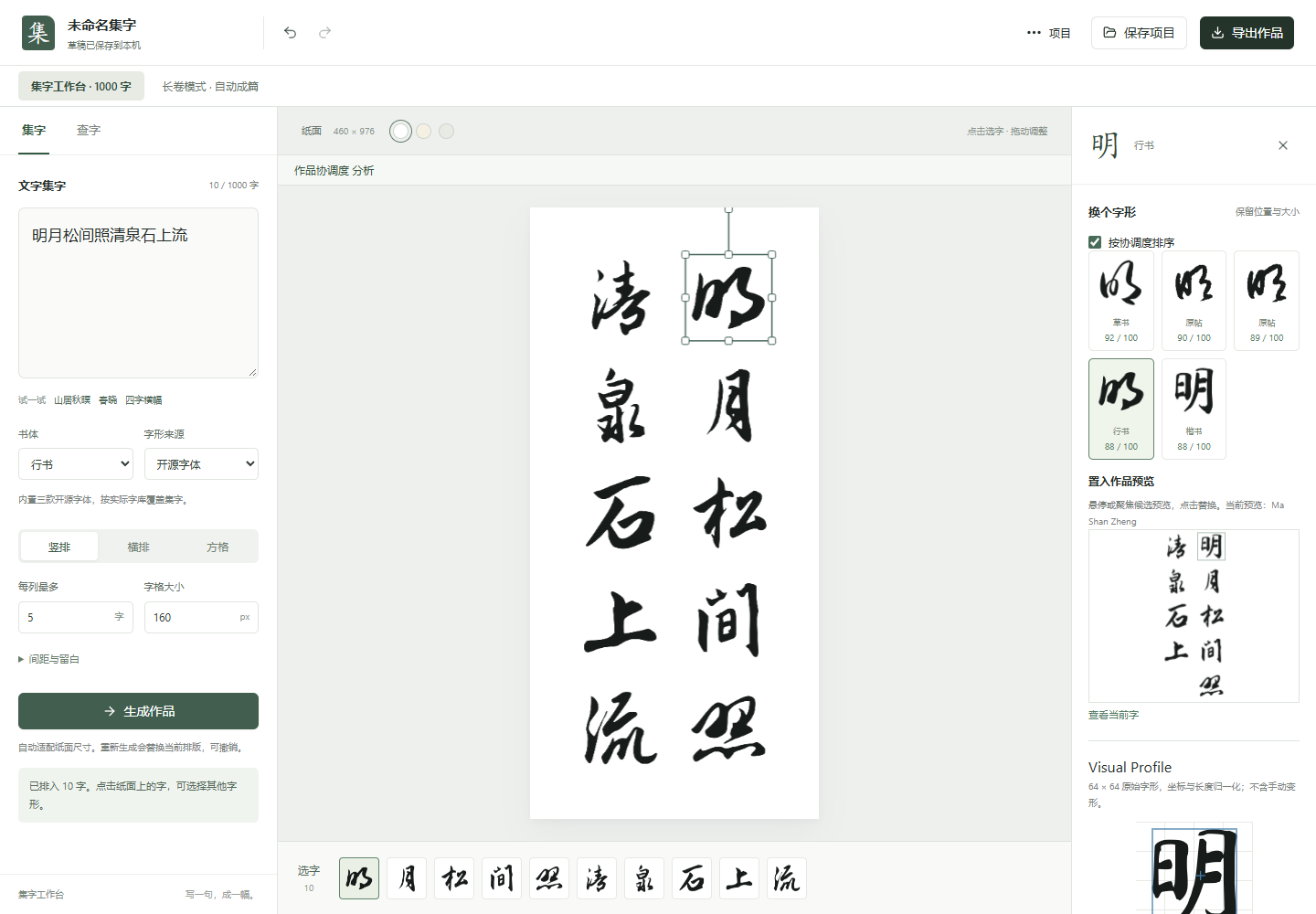
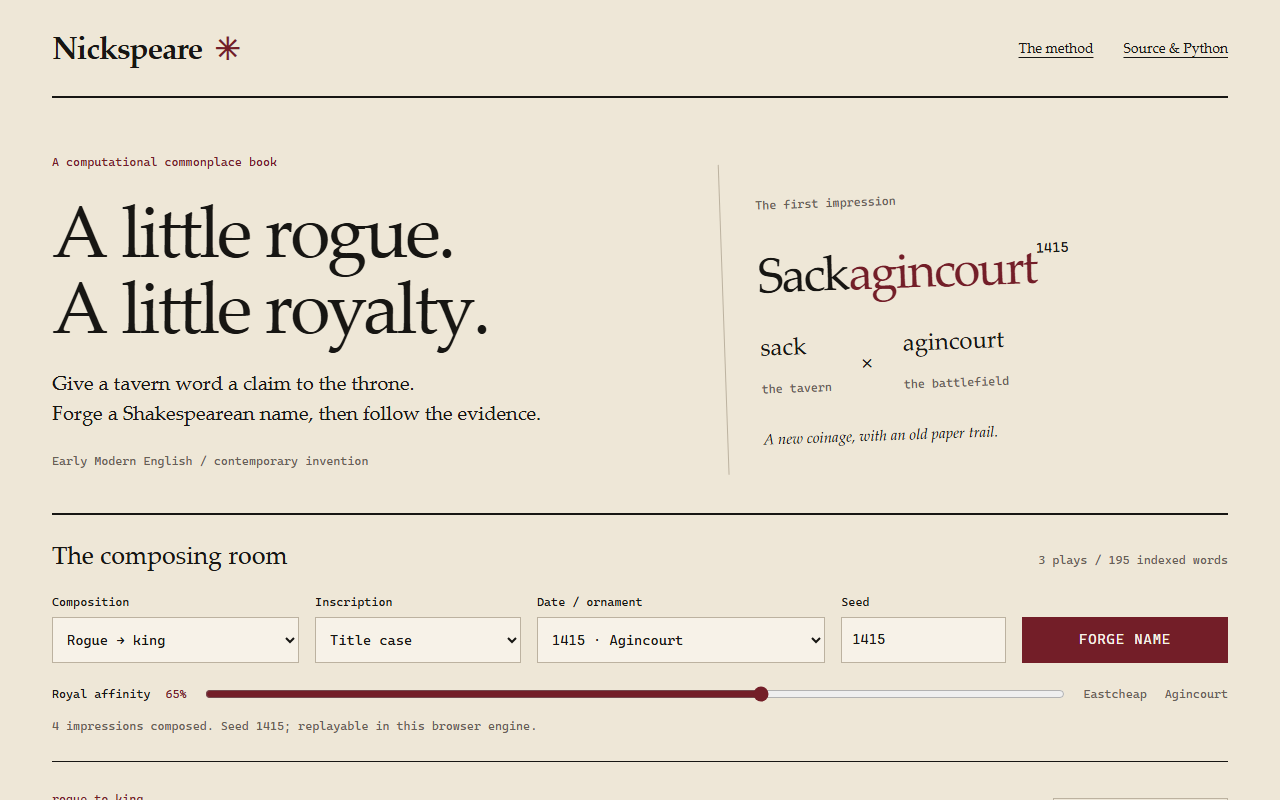
Offline Chinese calligraphy composition and glyph exploration.
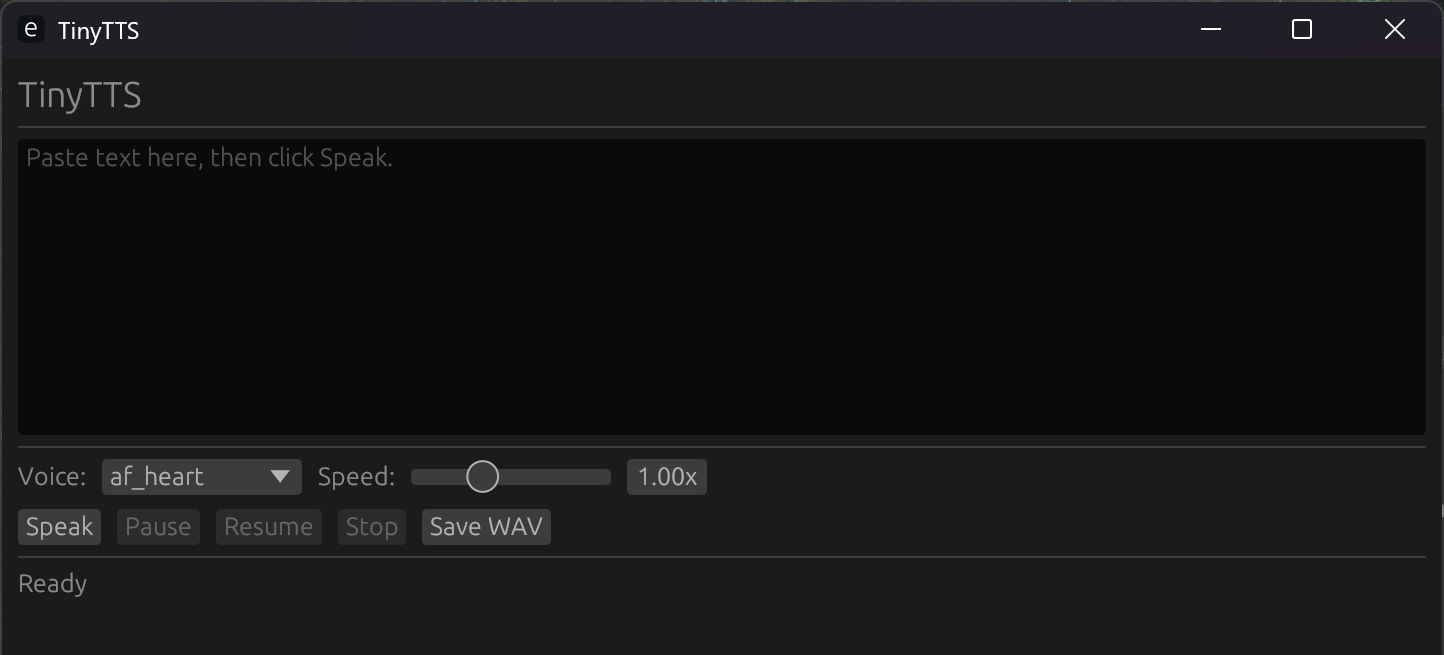
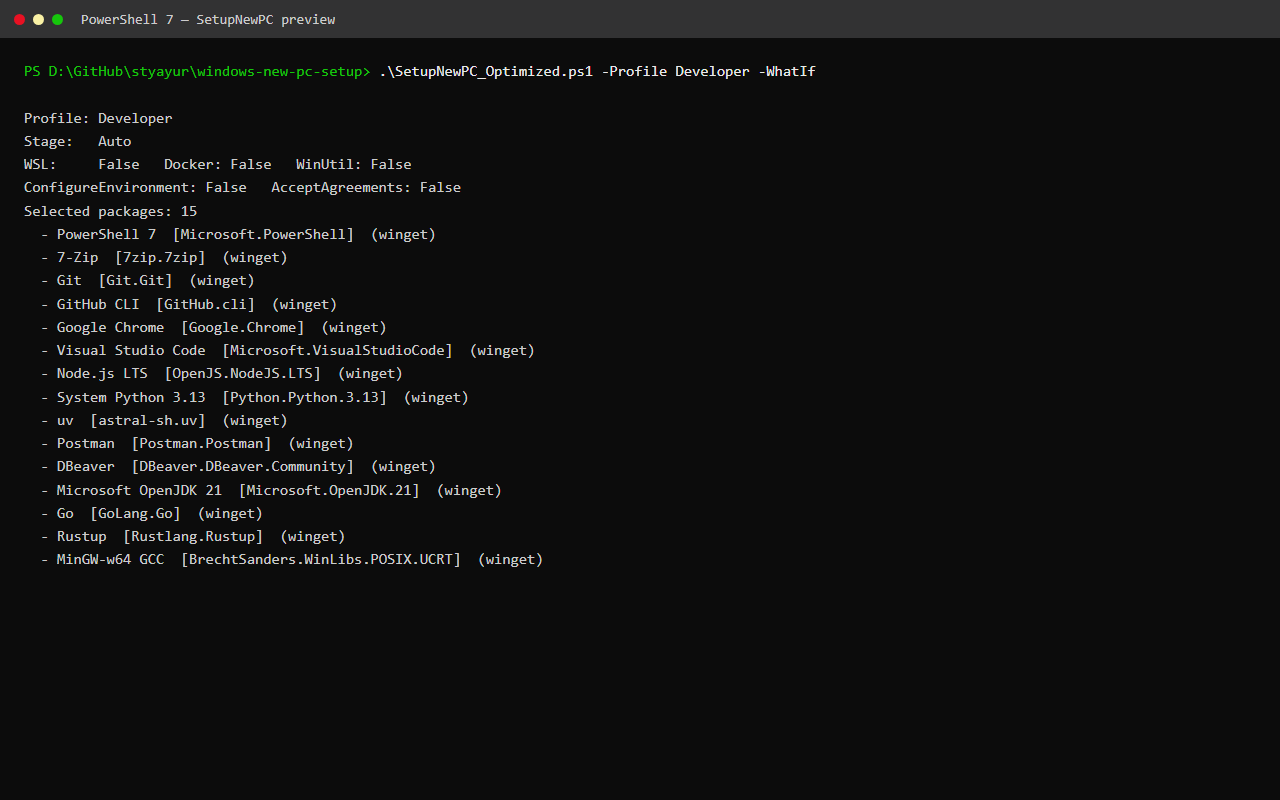
Tiny, offline text-to-speech for Windows. No cloud. No account.
The quiet engine behind this garden — essays, projects and library shelves compiled from plain text into a fast, static, self-hosted site.
A reading environment for serious readers — highlights, marginal notes and slow revisits, kept as plain text and never locked in.
Instrumentation for AI agents in production — traces, evals and the boring telemetry that makes autonomy trustworthy.
An AI-native memory system that remembers the way the mind forgets — associatively, by salience, never in folders.
We keep saying memory is like a database. It is not. Memory is architecture — it is what a mind builds to stand on.
The best software is the software you never notice. An essay on the quiet layer between intention and outcome.
Source code is a form of writing addressed to two audiences at once — the machine that executes it and the human who must live with it.
Feeds optimize for the new. Gardens optimize for the true. A case for publishing like a gardener instead of a broadcaster.
Every essay, project and shelf in this place is a plant in one of six provinces — AI, Programming, Literature, Philosophy, Systems and Cognition. The map is drawn the way the mind is: by association, not by folder.
Six provinces, one garden — hover to trace the paths between them
I have always imagined that Paradise will be a kind of library.
Reading
Jun'ichirō Tanizaki
On the beauty of dimness — and why light is not always enlightenment.
Reading
Hermann Hesse
Castalia is the original digital garden — an order of scholars devoted to the play of connections between every field of knowledge.
Queued
Douglas Hofstadter
Strange loops, self-reference, and why meaning escapes the machine — the book that made me want to build minds.
“This garden is written by hand — in prose and in code,
and tended slowly, the way ideas deserve.”